April/May Review


It has been an entire month (and a bit) since my last update, but I have been hard at work on a bunch of games. After getting back from Breakout I've had quite a bit of energy to push the bar forward. It's already been more than a month, so let's dive in.
Piece of Work is the top of the list; I'm running a playtest and my players seem to be having a grand time. Much of the system has been playtested a lot already, so that's not such a surprise. They have, however, convinced me to take a closer look at Crises, and the GM advice section.
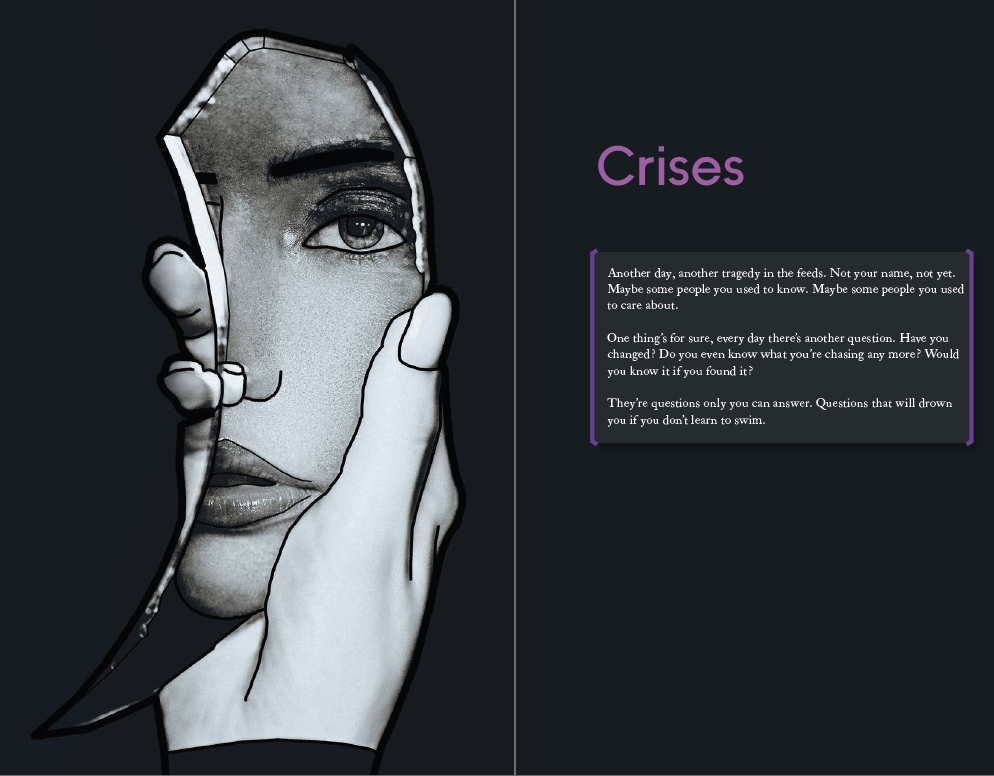
Crises are a mechanism for the GM to actively add pressure on characters themed to their story. Whether those pressure points are the external demands of a character's life, their internal emotional crises, or the boot of an uncaring system of control, these are levers the GM can pull to ensure there's never a dull moment at the table and that every scene has subtext. Leveraging those crises can take some getting used to, so I've written quite a bit on how to make good use of them in the story. The whens and hows and what-fors.
Along-side all that, I have been putting in a little bit of work creating GM handouts, player sheets, and other tracking tools for managing a running game. It's fine enough for the game to work when I run it, but I need to make it possible for someone else to run it too.
I'm also continuing work on a number of small fun projects for my own sake. I'm about to order art for Dual Citizen, the micro-game I'm making with Gene and Lauren. I've also created most of the initial phase of cards for the Mech-themed Desperation hack I've been poking at slowly.
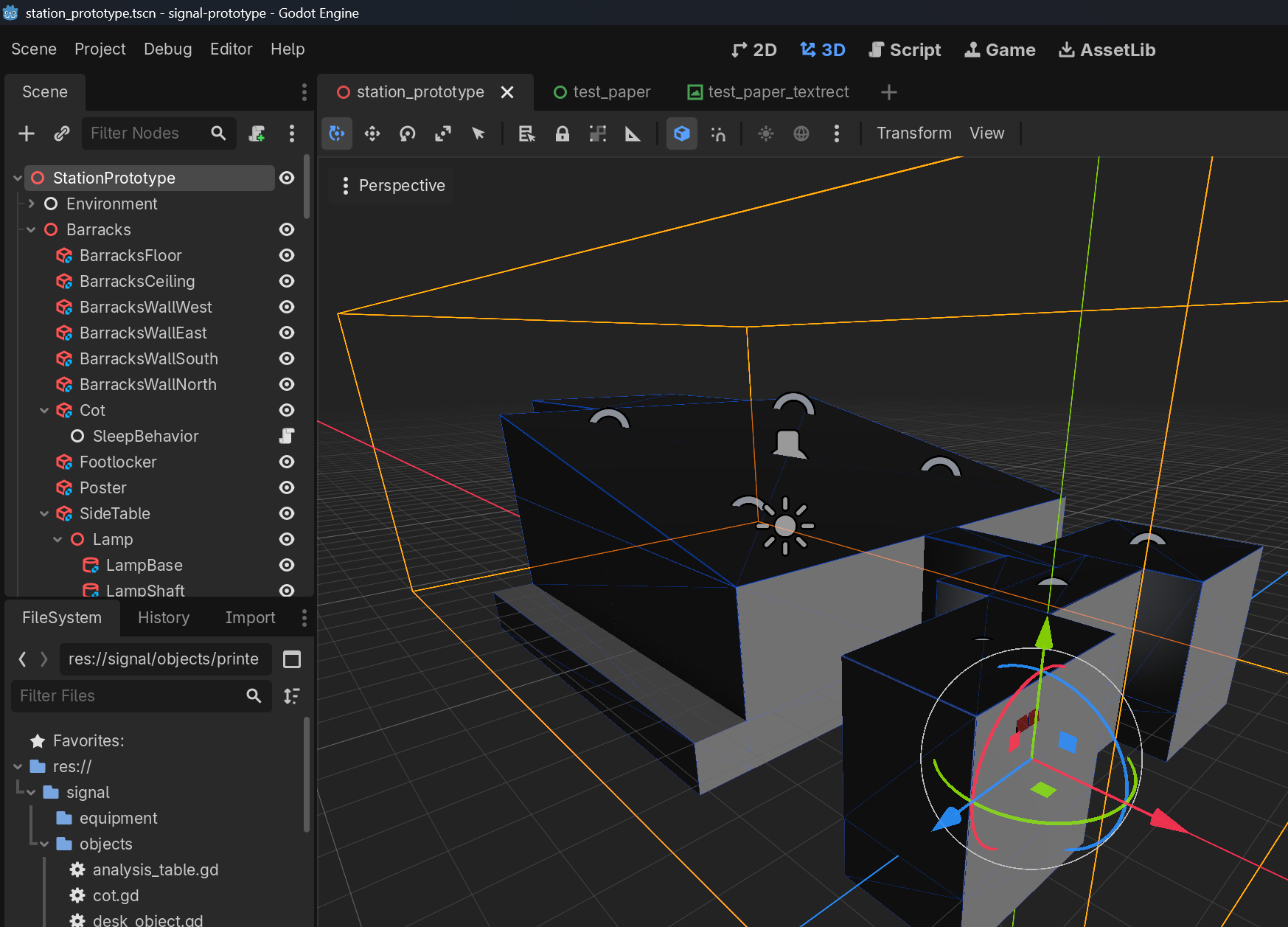
And I've been learning Godot.
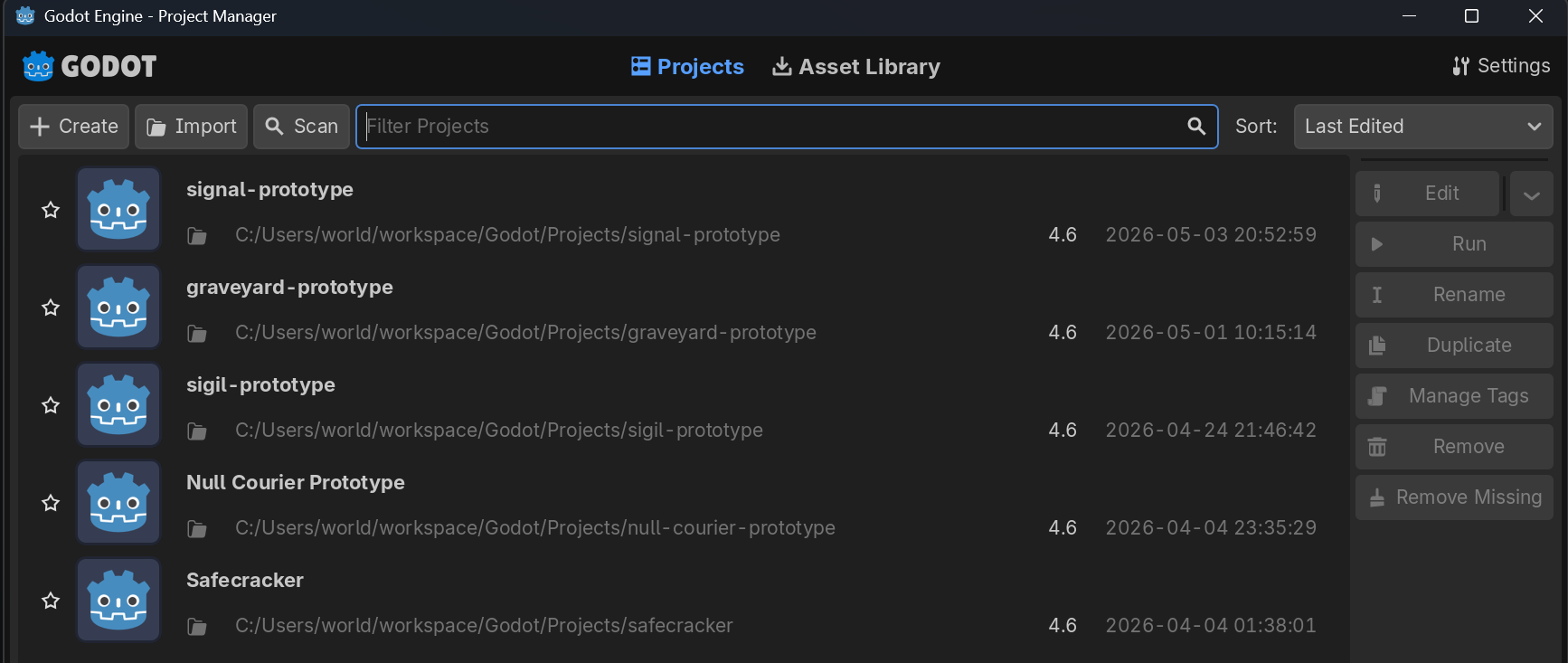
So yeah, I'm still trying to make video games, very low-key, in the background. I've been looking at Godot mostly as a way to get around the frankly unnecessarily large package sizes of Unreal Engine. I was impressed by how fast it was to pick it up and start making things. I might have to look for a game jam or something to try making something small scope, just to get my feet wet.
What I'm most impressed by is that the 3D capabilities of Godot 4 seem to be much improved from what I remember of the engine many years ago. While there are plenty of things I have reached for in the editor that just don't exist in the engine—like default player controllers—I have been impressed at how quickly things have come together. In a rare moment of pride, I will say that my time learning game concepts in Unreal has actually made me a better game programmer, and that's coming through in my pace of learning of Godot.
Anyhow. Not a lot of actual final products delivered so far but every wheel I have is spinning to some amount. It's been a very productive month, and I'm looking forward to seeing some of these seeds growing through the rest of the year.